

Loading...
We don't start every project from a blank file. Over years of production work, we've built a range of systems and reusable platform foundations — each one shaped by a real deployment, not written on a whiteboard first. When a new client's problem overlaps with something we've already solved, we adapt a proven foundation instead of rebuilding it from scratch. This gives us a starting point based on systems we've already built and deployed..
Below are the platforms we've built, along with where each one has actually been used.
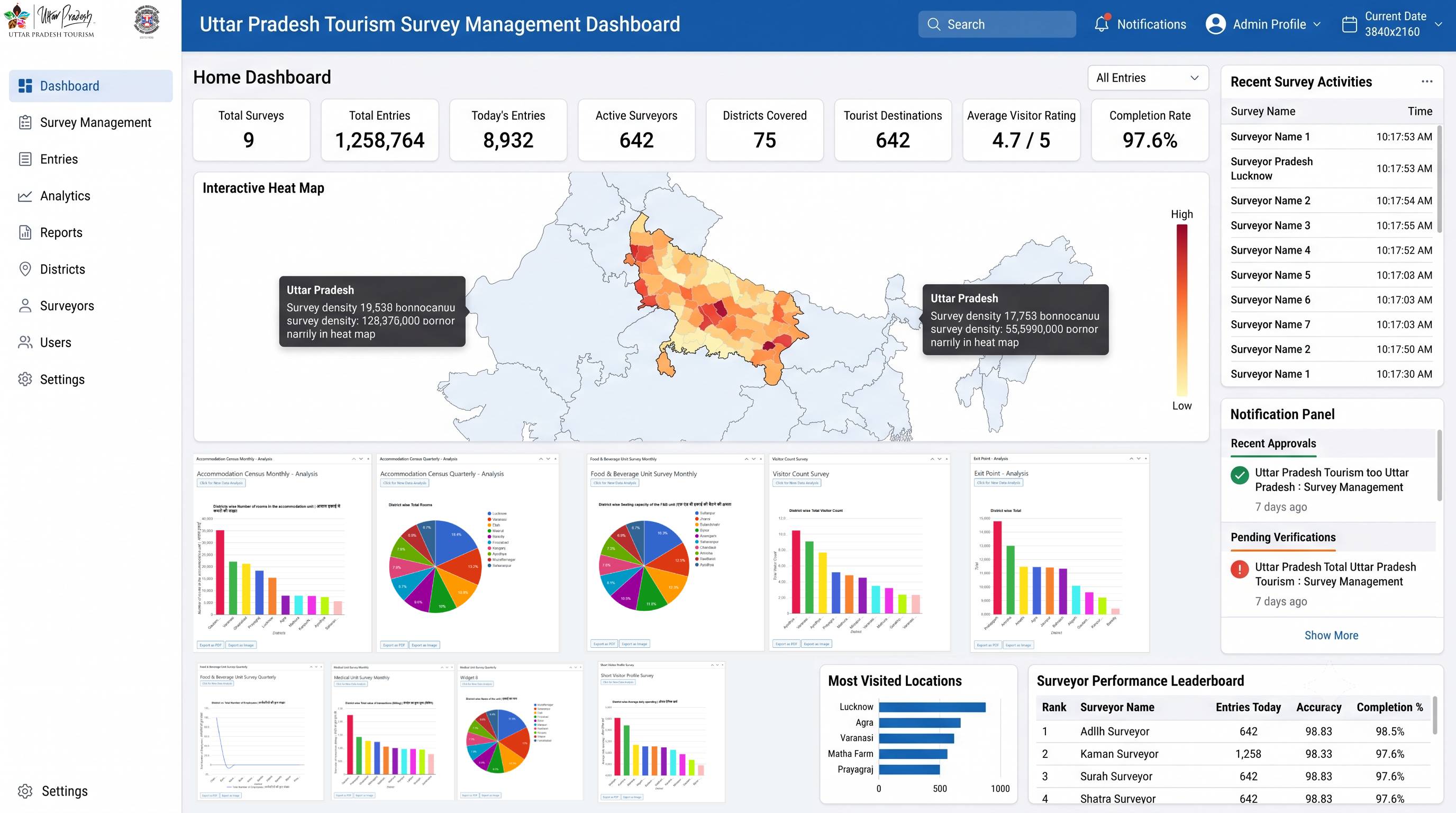
A field data collection system built for environments where internet access can't be guaranteed — rural areas, large public events, or geographically spread-out teams. Surveyors capture structured data (forms, GPS location, photos, biometric verification) directly on an Android device. The data is stored locally first, then synced to a central server automatically once a connection becomes available.
Most survey and data-collection tools assume a stable internet connection. In practice, government and enterprise field operations rarely have one — connectivity drops mid-form, teams work across hundreds of locations simultaneously, and paper-based fallbacks lead to lost or duplicated data. This platform removes that dependency entirely.
Android (Kotlin), SQLite (on-device storage), Node.js (API layer), PostgreSQL (central database), Mantra MF100 SDK (biometric capture).
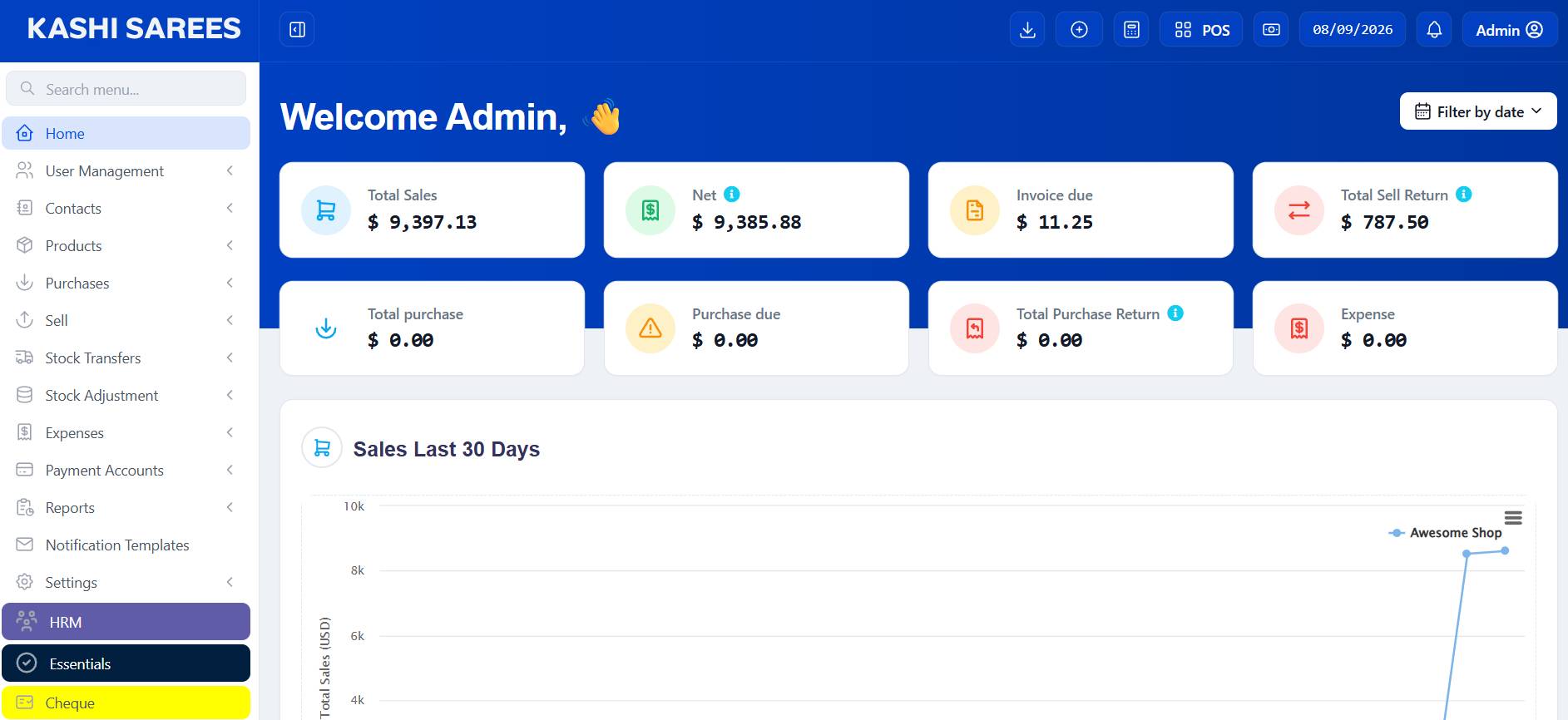
A web-based ERP system that manages inventory, production, procurement, and accounts for manufacturing and wholesale businesses. It's built multi-tenant, meaning multiple business units or client organizations can run on the same underlying platform, each with isolated data.
Off-the-shelf ERP software is often either too rigid (forcing a business to change its workflow to fit the software) or too generic (requiring expensive customization before it's usable). This platform was built to be configured around how a specific manufacturing or distribution business actually operates — without the licensing overhead of large enterprise ERP vendors.
Laravel, PHP, JavaScript, HTML, CSS, SQL.
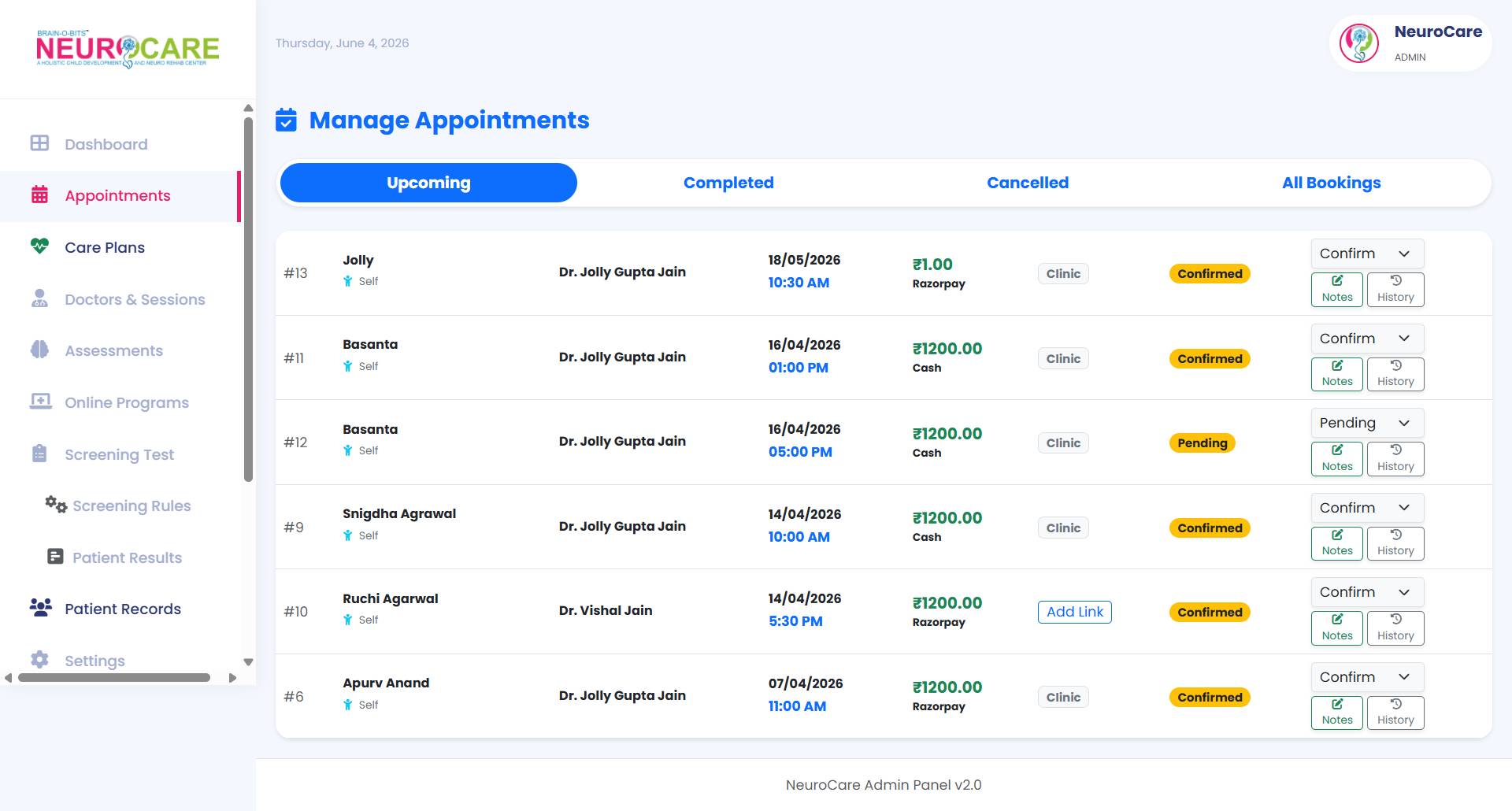
An appointment and patient management system built for small-to-mid-size clinics and specialty medical practices. It handles scheduling, patient records, and communication between the front desk, doctors, and patients.
Many independent clinics still run on manual booking registers or generic scheduling apps that don't account for clinic-specific workflows — multiple doctors, walk-ins alongside appointments, and the need for automated patient reminders. This platform is built specifically around how a clinic's front desk and doctors actually work day to day.
Node.js, PostgreSQL.
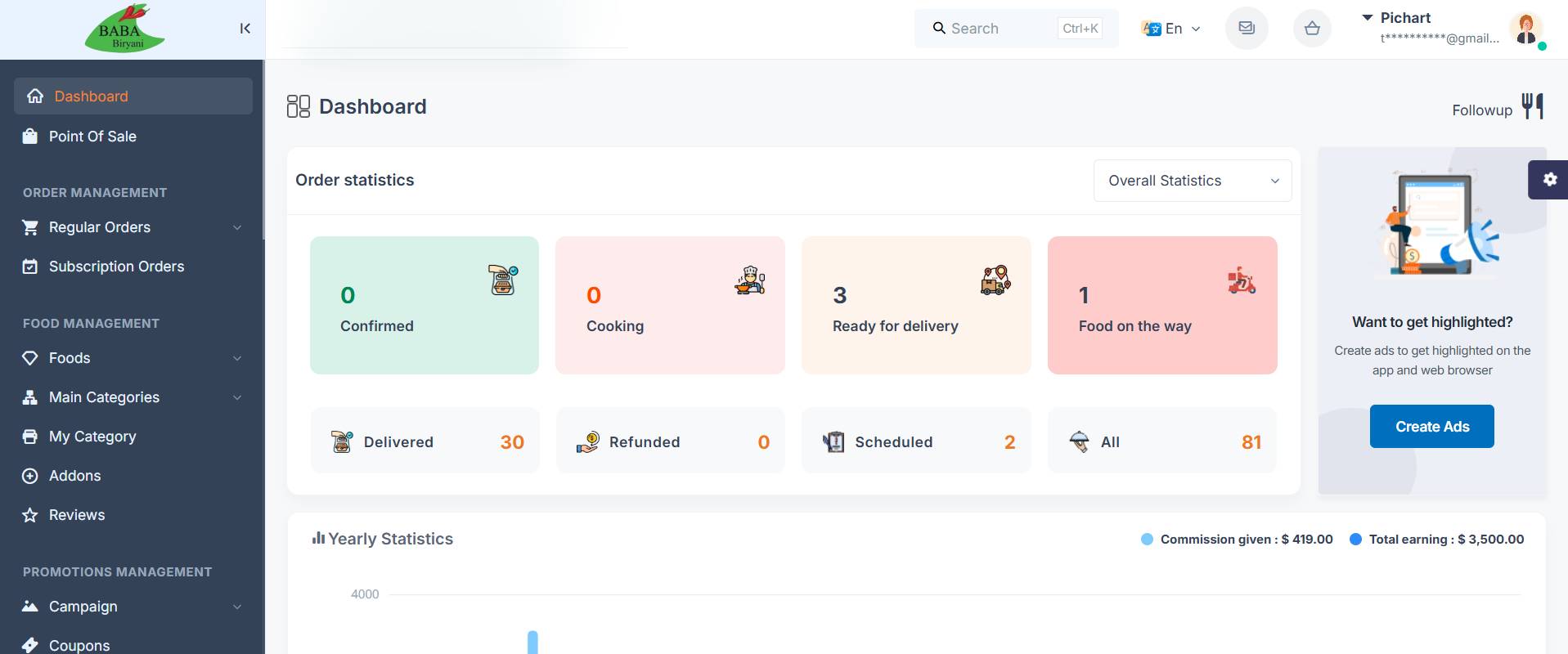
An operational system for restaurants that connects the point-of-sale counter, kitchen display screens, and delivery/order workflows in real time — so an order placed at the counter appears on the kitchen screen with no manual re-entry.
In fast-paced kitchens, delays between order-taking and kitchen preparation cause real revenue loss. Most affordable POS systems don't offer real-time kitchen-display integration, forcing staff to shout orders or run paper tickets manually.
Kotlin (Android app), Laravel, SQL.
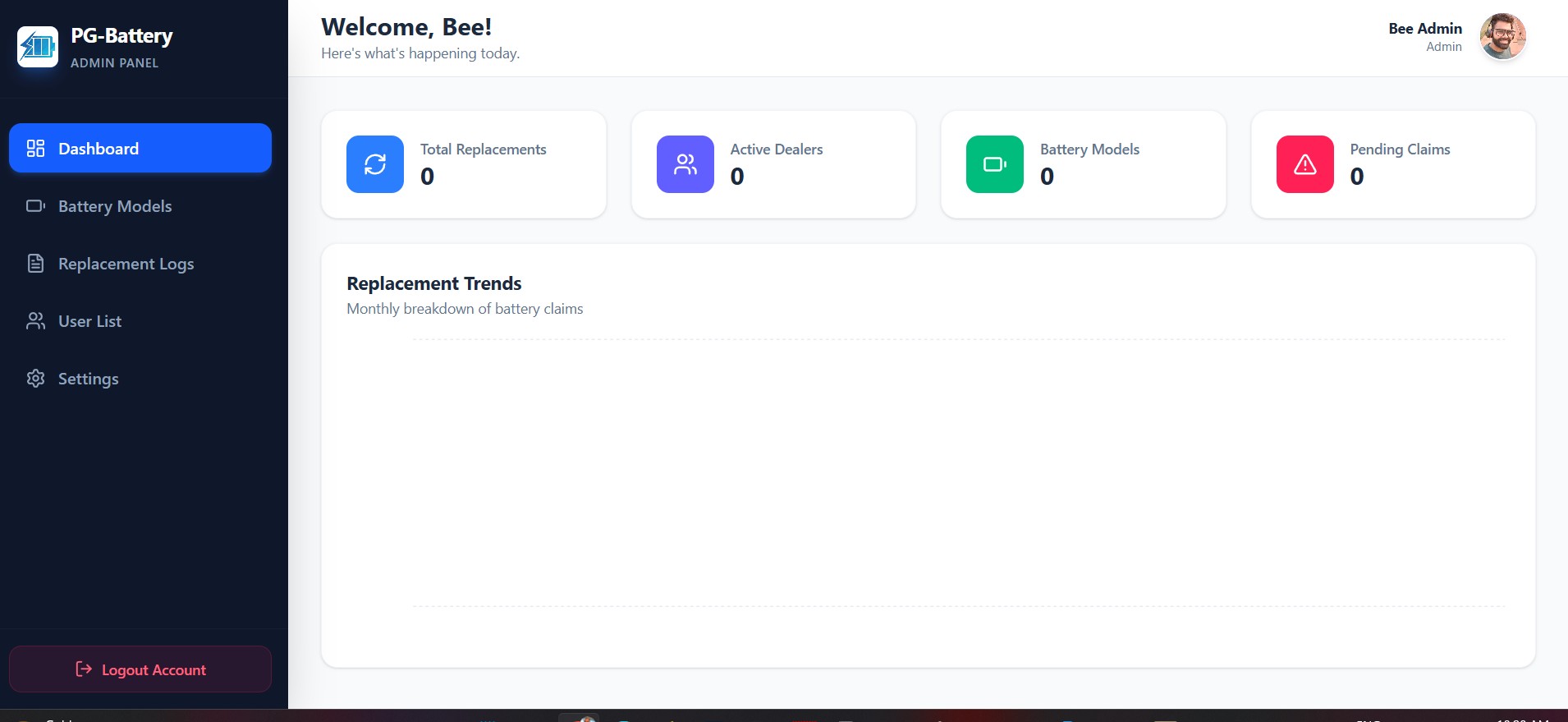
A warranty claims management system built for manufacturers who process high volumes of dealer-submitted claims. Dealers submit proof-of-purchase documents through a mobile app; the system automatically reads and verifies them using OCR, instead of requiring manual document review for every claim.
Manual warranty claim verification is slow and inconsistent across dealer networks, and duplicate or altered claims are easy to miss when reviewers are checking documents by eye at volume. This system automates the extraction and cross-checking step, flagging inconsistencies a manual reviewer would likely miss.
Node.js, Kotlin (Android submission app), Gemini Vision AI (OCR and document parsing), PostgreSQL (records and audit log).
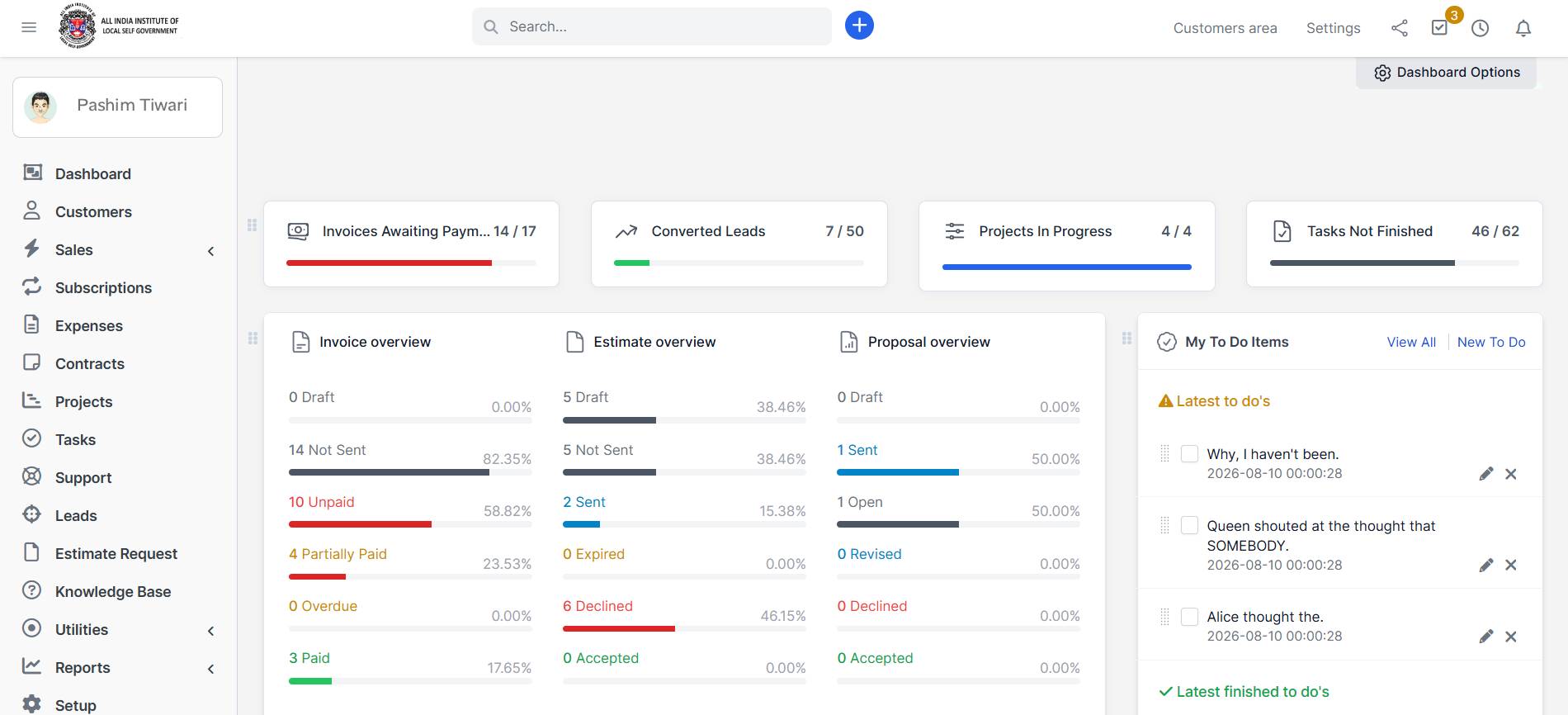
A customer relationship management system that connects lead generation directly to sales pipeline tracking, built for sales teams handling leads from multiple channels who need one place to see where every deal stands.
Sales teams often track leads across spreadsheets, messaging apps, and email — which makes it easy to lose track of follow-ups and pipeline status as volume grows. Generic CRM tools help, but usually require the sales process to bend around the software. This platform is built around an actual sales workflow: capture, route, follow up, close.
CodeIgniter, PHP, JavaScript, HTML, CSS, SQL.
Every one of these platforms started as a solution to one client's specific bottleneck. If your business has a workflow that off-the-shelf software doesn't fit well, we'd like to understand it.
Schedule a Technical Consultation